


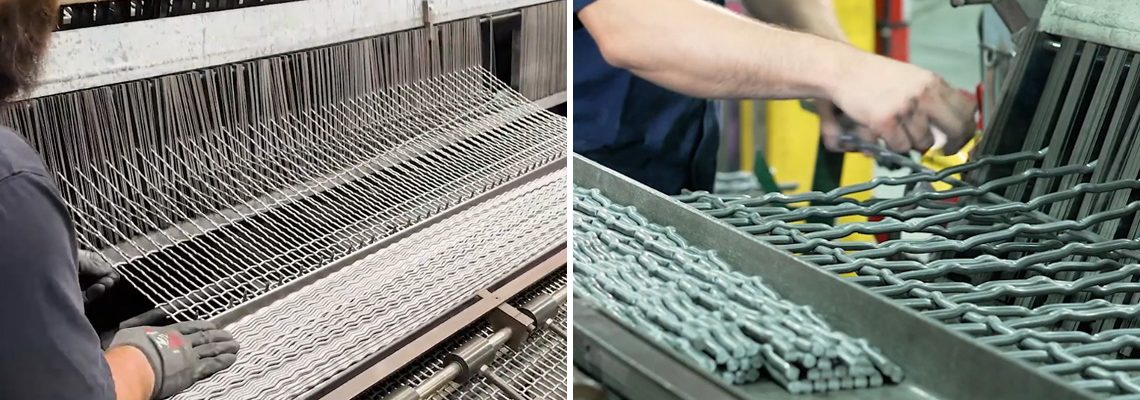
Woven wire mesh is one of the most versatile and widely used metal products across industrial, architectural, and commercial markets. Manufactured by weaving individual metal wires together on specialized looms, woven wire mesh offers a balance of strength, precision, and flexibility that few materials can match. From security space dividers to data center enclosures and architectural façades and decor, the applications for woven wire mesh span countless industries.
We thought it would be good to break down the core information you need to know about woven wire mesh to provide a clear understanding of how to specify it correctly.
Key Components of Woven Wire Mesh
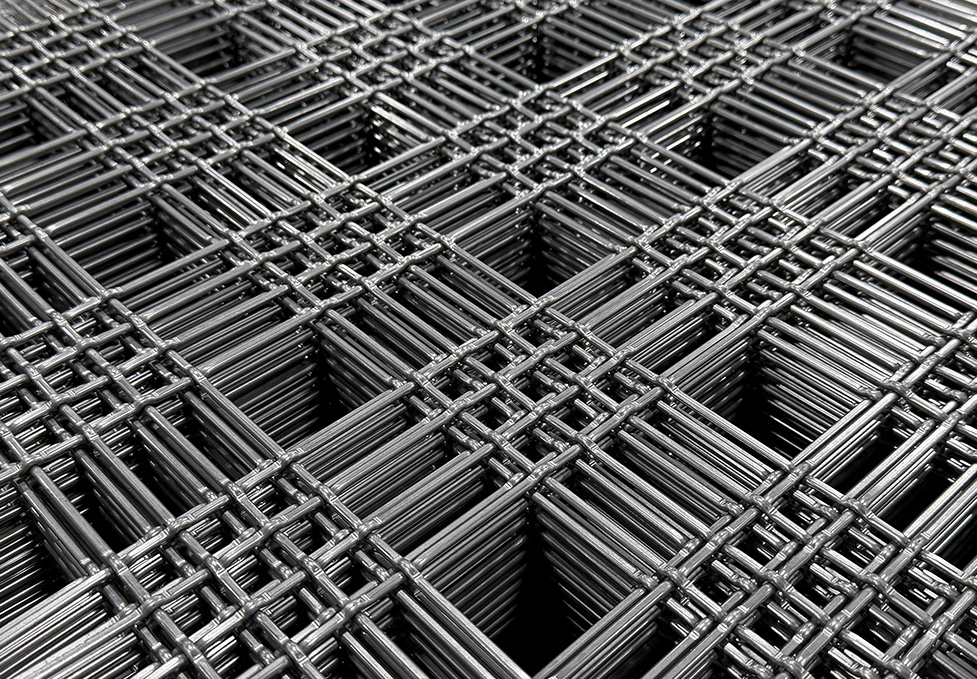
At its core, woven wire mesh is created by interlacing two sets of wires: warp wires and fill wires. Warp wires run lengthwise through the mesh and remain under tension during weaving, while fill wires are woven perpendicular to them, passing over and under in a repeated sequence.
Additional components that define woven wire mesh include the wire diameter, which refers to the thickness of each individual wire and has a direct impact on overall strength and open area, as well as the aperture, or opening of the clear space between wires. Another critical factor is crimping, which intentionally bends the wires before weaving to improve stability and maintain consistent spacing, particularly in larger or heavier mesh configurations.
In coarse or heavy-duty-mesh applications, pre-crimping is commonly used to lock wire intersections in place and maintain consistent spacing during use, particularly in industrial screening, security, and architectural applications.
Specifications That Define Performance
Woven wire mesh performance is governed by several technical specifications. Understanding these is critical when selecting mesh for a specific application.
* Wire Spacing: The number of openings per linear inch, commonly used to communicate the strength or opacity of the mesh.
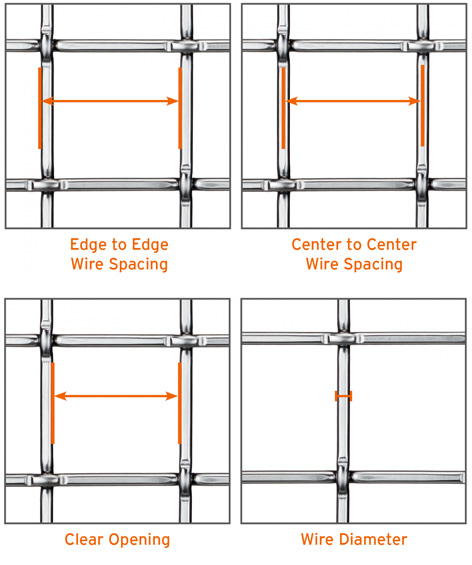
* Opening Size: The clear distance between wires, often expressed by “clear opening” or by “center to center” wire spacing.
* Wire Diameter: Specifies the wire thickness of the materials used and influences strength, rigidity, and open area.
* Open Area (%): The percentage of open space in the mesh, affecting airflow, light transmission, and flow rates of the material.
These variables are interdependent. For example, increasing wire diameter improves durability but reduces open area, while higher mesh counts provide a more opaque appearance while adding total weight to the piece.
Applications Across Industries
Thanks to its adaptability and wide range of performance characteristics, woven wire mesh is used across many industries. In industrial environments, it plays a critical role in the screening and separation processes for mining, aggregate, and recycling operations, where durability and consistent opening sizes are essential for material classification and throughput. Its ability to be manufactured with fine or coarse openings makes it suitable for everything from small-sized filtration to heavy-duty bulk handling.
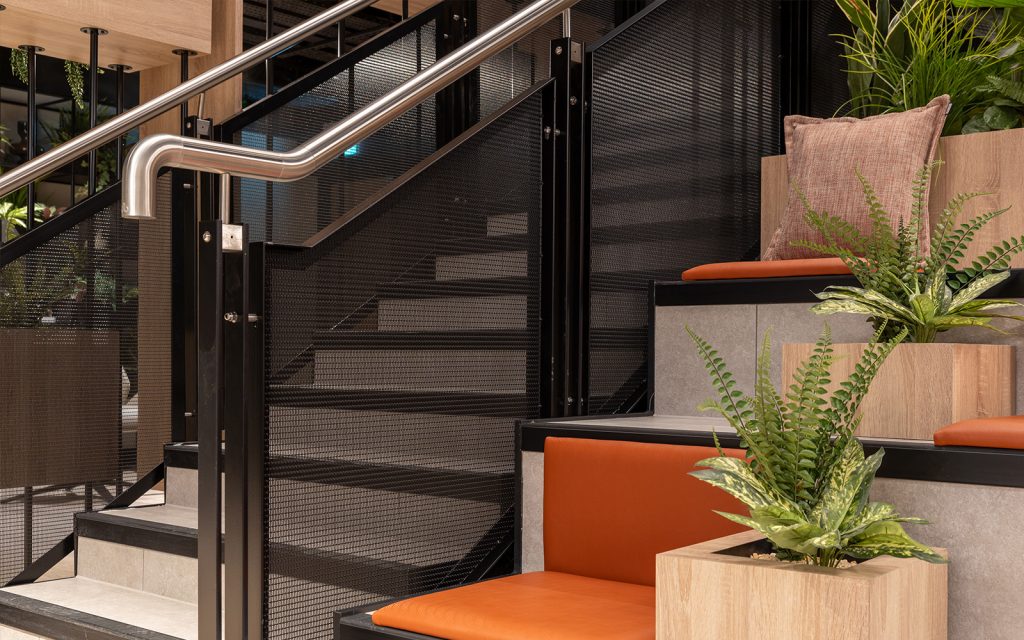

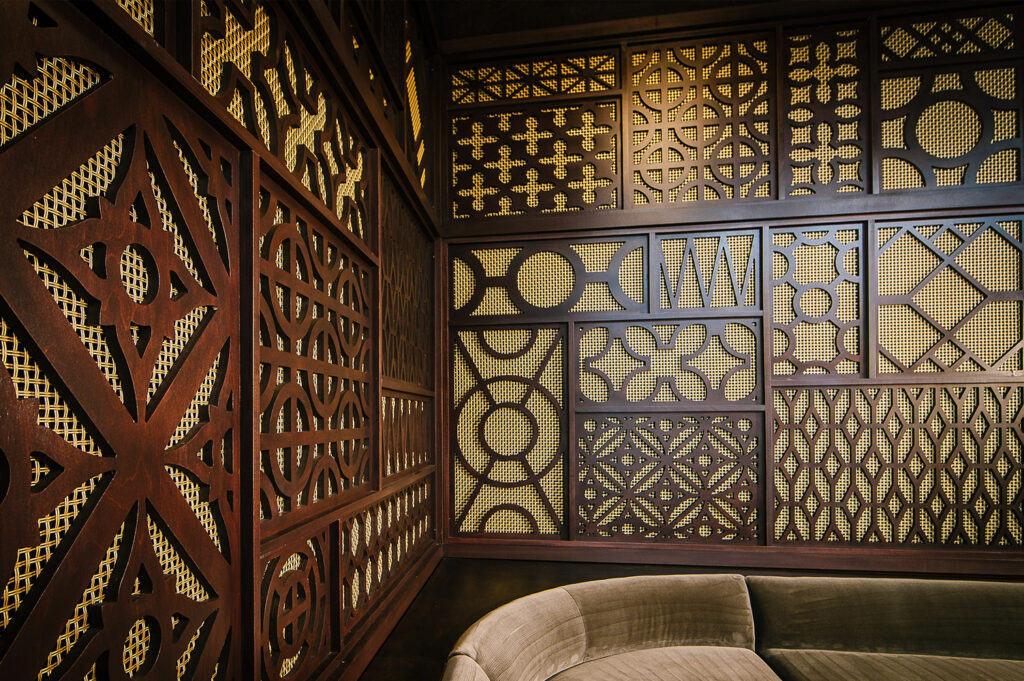
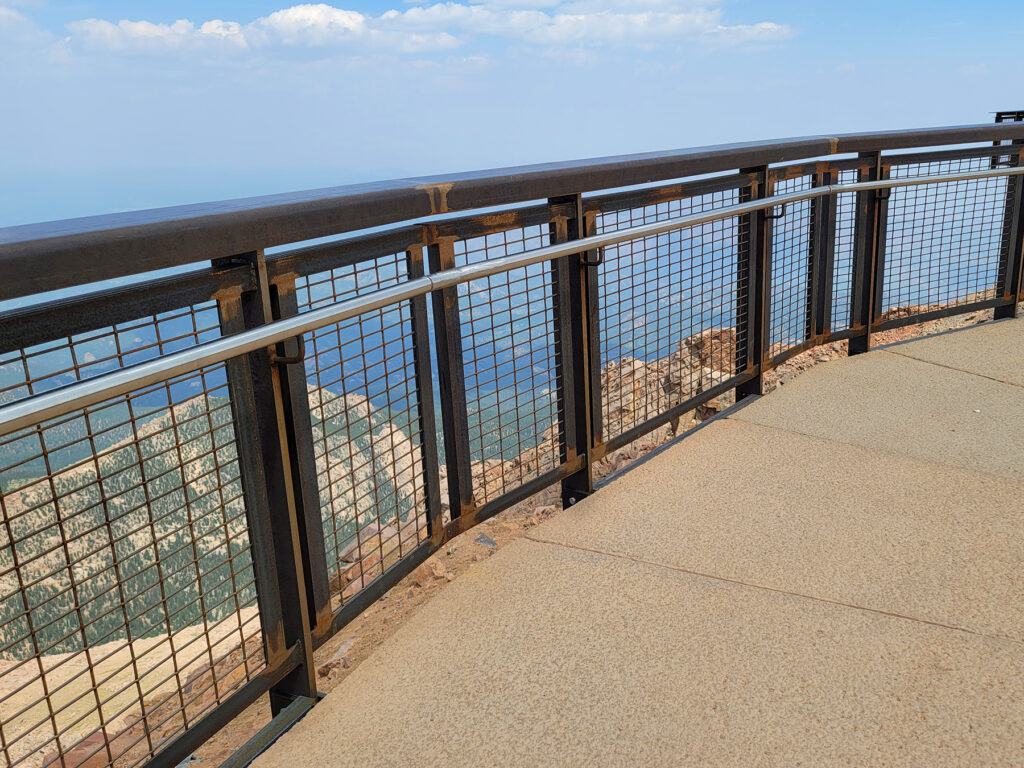


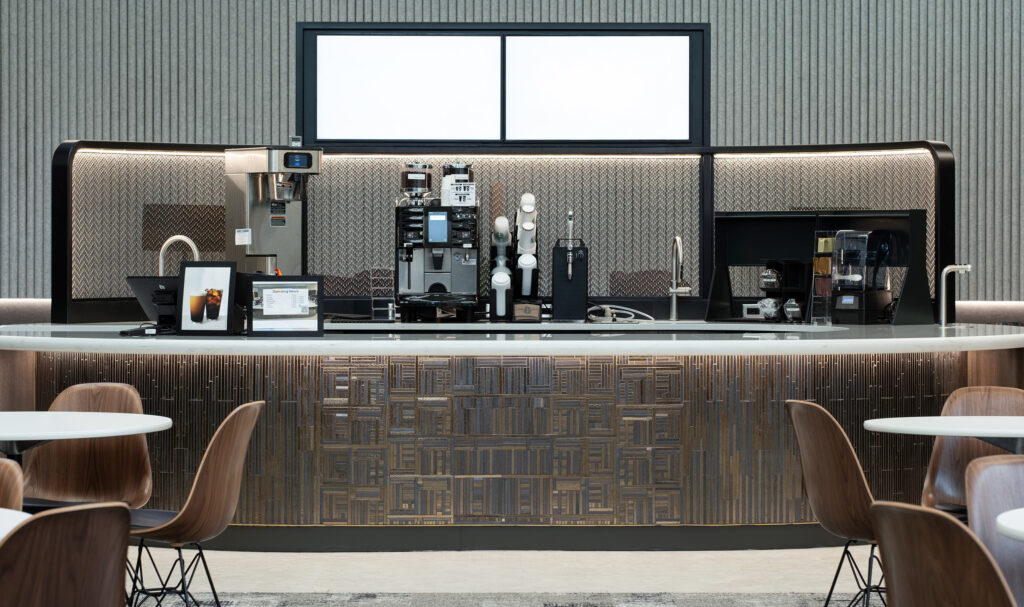


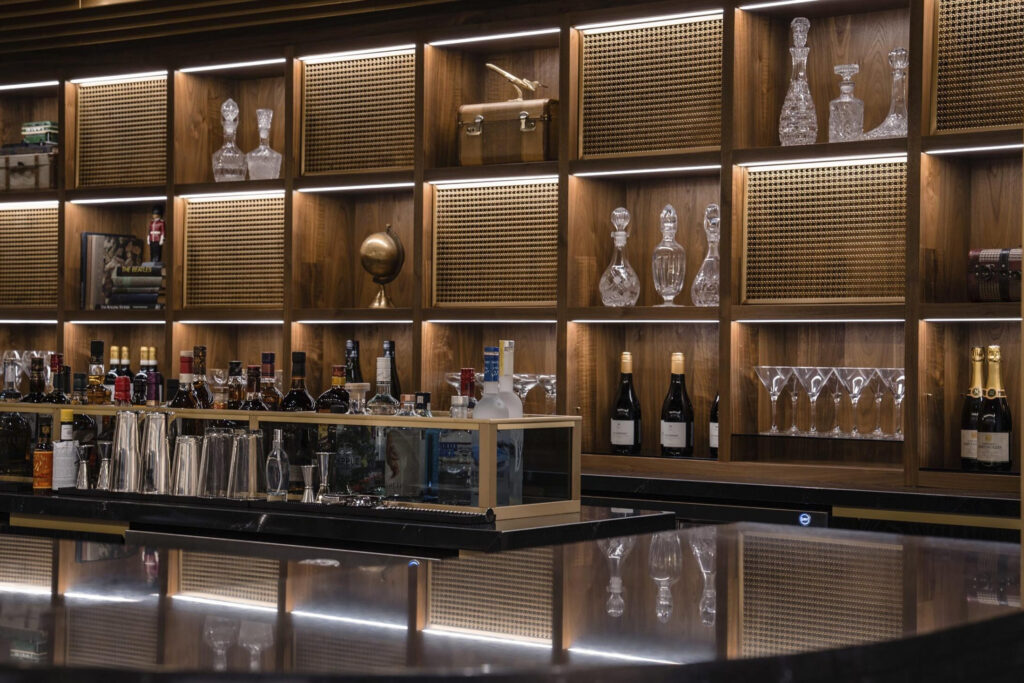
Beyond industrial uses, woven wire mesh is increasingly specified in architectural, security, agricultural, and construction applications. Architects and designers use woven wire mesh for facades, handrail infill, solar shading, and decorative panels, where it delivers a unique balance of transparency, airflow, and visual texture while meeting functional requirements such as durability and safety. In security and protection applications, it is commonly used for data center partitions, machine guarding, fencing, and HVAC ventilation screens, providing protection without restricting visibility or air movement. Agricultural and construction uses include soil stabilization, animal enclosures, screening, and reinforcement, where the strength and flexibility of the woven wire mesh support long-term performance in outdoor environments.
In particular, architectural woven wire mesh has seen growing adoption in modern building design. Its ability to combine aesthetics with airflow, line-of-sight opacity, and structural performance enables designers to create visually striking yet functional spaces. As a result, woven wire mesh has become a favored material for projects seeking both beauty and function in contemporary architectural designs.
Material Options
Material selection plays a major role in the performance, durability, and service life of woven wire mesh, particularly when factors such as corrosion exposure, mechanical load, temperature, and aesthetics are considered. Different base metals offer unique advantages, making correct material choice critical to long‑term success.
Common material options include:
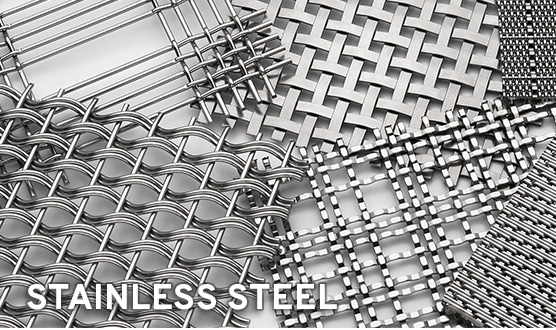
- Stainless Steel woven wire mesh offers excellent corrosion resistance, high strength, and easy cleanability, making it ideal for industrial filtration, food processing, pharmaceutical applications, architectural designs, and outdoor applications.
- Carbon Steel (plain steel) woven wire mesh is a cost‑effective, high‑strength option commonly used for heavy‑duty screening, mining, aggregate processing, and industrial applications in dry or low‑corrosion environments. Plain steel is also a great option when finishing wire mesh with secondary finishes such as plating and powder coating.
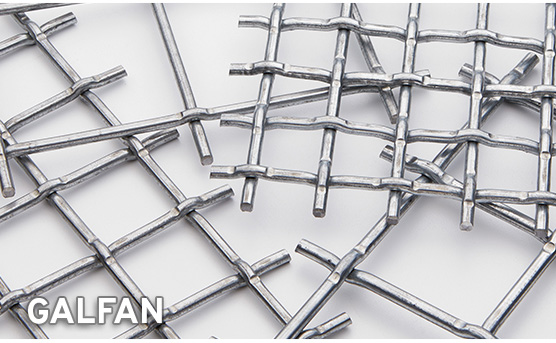
- Galvanized Steel woven wire mesh features a protective zinc coating that improves corrosion resistance over carbon steel, making it well suited for outdoor, agricultural, construction, and fencing applications at a lower cost than stainless steel.
- Aluminum woven wire mesh is lightweight, naturally corrosion‑resistant, and easy to fabricate, making it a popular choice for architectural panels, decorative screens, enclosures, and applications where reduced weight is important.
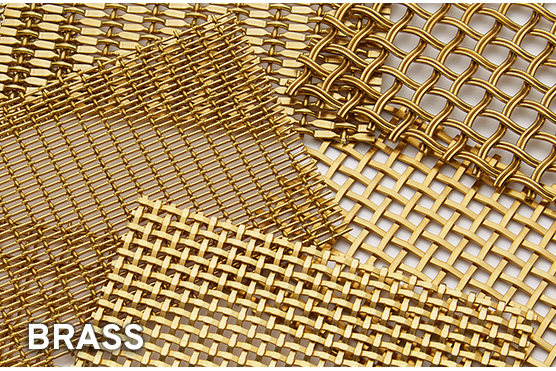
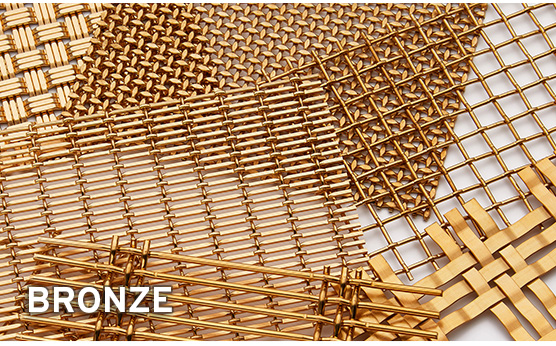
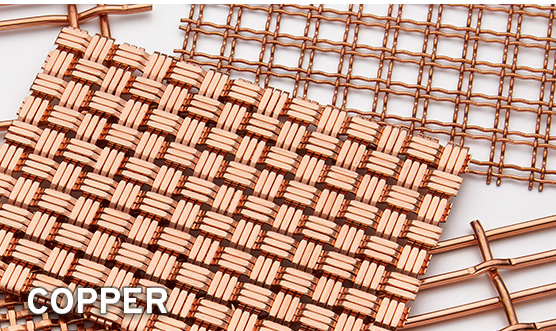
- Copper, Brass, and Bronze woven wire mesh provide distinctive aesthetics along with good corrosion resistance, electrical conductivity, and non‑sparking properties, making them ideal for decorative architecture, EMI shielding, and hazardous environments. These red metals are considered “living finishes” that will naturally tarnish over time.
- Specialty Alloys such as Monel® and Inconel® woven wire mesh are engineered for extreme conditions, offering superior resistance to high temperatures, aggressive chemicals, and corrosion in demanding industrial and aerospace applications.
Frequently Asked Questions (FAQ)
Is woven wire mesh the same as wire cloth?
Yes. The terms are often used interchangeably, with “wire cloth” more commonly referring to finer meshes used in filtration, while “woven wire mesh” often describes coarser products.
What’s the difference between woven and welded wire mesh?
Woven mesh is interlaced on a loom and can provide flexibility and finer openings. Welded mesh is fused at intersections, providing increased rigidity for structural applications.
How do I choose the right mesh?
Selection depends on application requirements such as architecture, environment, and end use of the material. Mesh count, wire diameter, weave type, raw material, final piece size, and secondary finish should all be evaluated and considered together.
What is the difference between mesh count and opening size?
Mesh count refers to the number of openings per linear inch, while opening size measures the clear space between wires, and the two are inversely related depending on wire diameter.
Can woven wire mesh be formed, bent, or welded after weaving?
Yes, Many types of woven wire mesh can be cut, framed, rolled, or welded, though fabrication capabilities vary based on material, wire size, and weave pattern.
Can woven wire mesh be custom‑made?
Yes! Woven wire mesh can be custom manufactured through Banker with specific wire diameters, opening sizes, weave patterns, materials, and panel dimensions to meet exact project requirements. Contact our talented sales team at sales@bankerwire.com with your specifications, and we will get you a quote!
