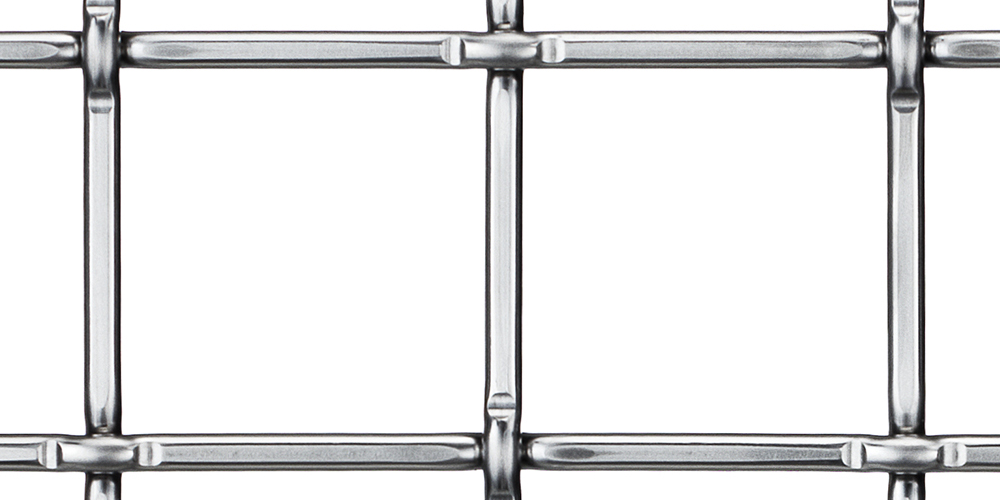
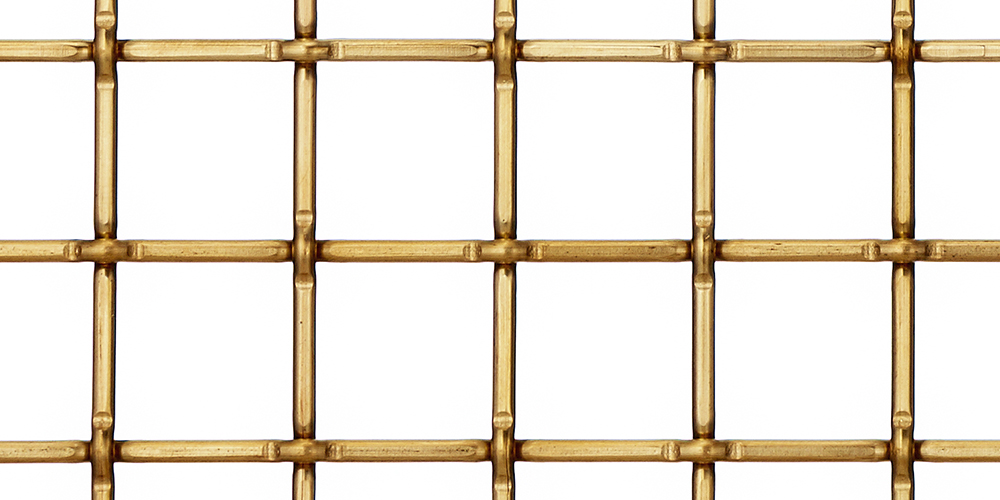
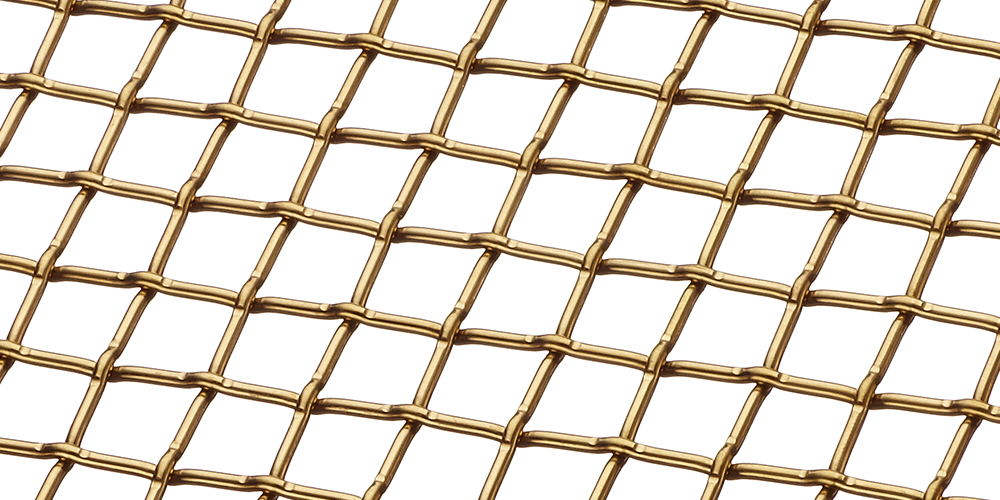
L-196




Pattern Details
Percent Open:87.6%
Aspect Ratio:1.00:1
Weight:0.83 lbs./sq. ft.
Overall Thickness:0.384
Crimp Style:LCLC
Opening Limitation:2.808 in.
What are your dimensions?
We manufacture every job to size. List the dimensions and any addition details of your job. Please double check that your sizes and materials are within our Maximum Dimensions below.
"Maximum" Dimensions of available raw material configurations











*Weight based on the specific density of mild (plain) steel **Maximum sphere diameter which will pass through opening Product specifications are subject to change. Product image is shown at 100% unless stated otherwise. For accuracy, specification sheet must be printed with no scaling. Measurements and data are approximate and should be confirmed with a physical sample.
L-196


 Materials & Finishes


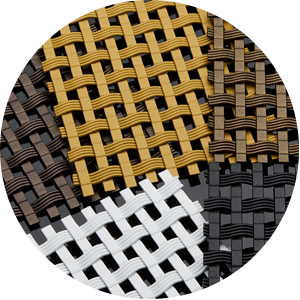

 PowderUS10AUS10B
L-196
Large scale Lock Crimp architectural wire mesh pattern. Perfect simplicity and high percent open area for a project where the mesh is functional but secondary to the overall aesthetic.Stainless SteelPlain SteelWeathering SteelPre-GalvanizedGalfan®BrassBronzeCopperAluminumStainless Steel (A)/Brass (B)Stainless Steel (A)/Bronze (B)Stainless Steel (A)/Copper (B)Stainless SteelPlain SteelWeathering SteelPre-GalvanizedGalfan®BrassBronzeCopperAluminumStainless Steel (A)/Brass (B)Stainless Steel (A)/Bronze (B)Stainless Steel (A)/Copper (B)Featuring: L-196
Raw materials for L-196 wire mesh
Select Your Alloy:Stainless SteelL-196 in Stainless Steel
Stainless steel is often used for both architectural and industrial wire mesh applications. The vast number of specific stainless steel grades can be manufactured into wire mesh to improve it's performance in corrosion resistance, formability, and aesthetics. Stainless steel is steel with the addition of chromium and other traces elements. The chromium produces an oxide layer at the surface that is known as the “Passive layer”. This passive layer protects and prevents further corrosion. Other metals such as nickel, molybdenum, titanium, manganese are added throughout the many types of stainless steels.
Specifying stainless steel wire mesh provides a natural silver tone aesthetic with the added benefit of corrosion resistance. Banker Wire uses top quality EPQ quality drawn stainless steel wire in all of its wire mesh patterns. Care must still be taken to choose the appropriate grade for it’s intended application. Rule of Thumb: T304 for interior and T316 for exterior. Both grades will have the same aesthetic, however T316 includes molybdenum to its chemistry, increasing its corrosion resistance to salts and acids. Stainless steel can sometimes show rust spots however this is almost always due to cross contamination with carbon steel where free iron is embedded into the stainless steel creating a disruption in the material’s “Passive Layer”. Understanding the alloy and using proper fabrication methods are essential to maintain the desired appearance and longevity of the product.
Banker Wire manufactures all of its products in a bare, mill finished condition. Our selected wire inventory comes from vendors that always meet Banker's high expectations for quality and consistency. Every production job records and uses raw materials that have been inspected and certified prior to manufacturing. Wire mill certificates of compliance are always available upon request free of charge.
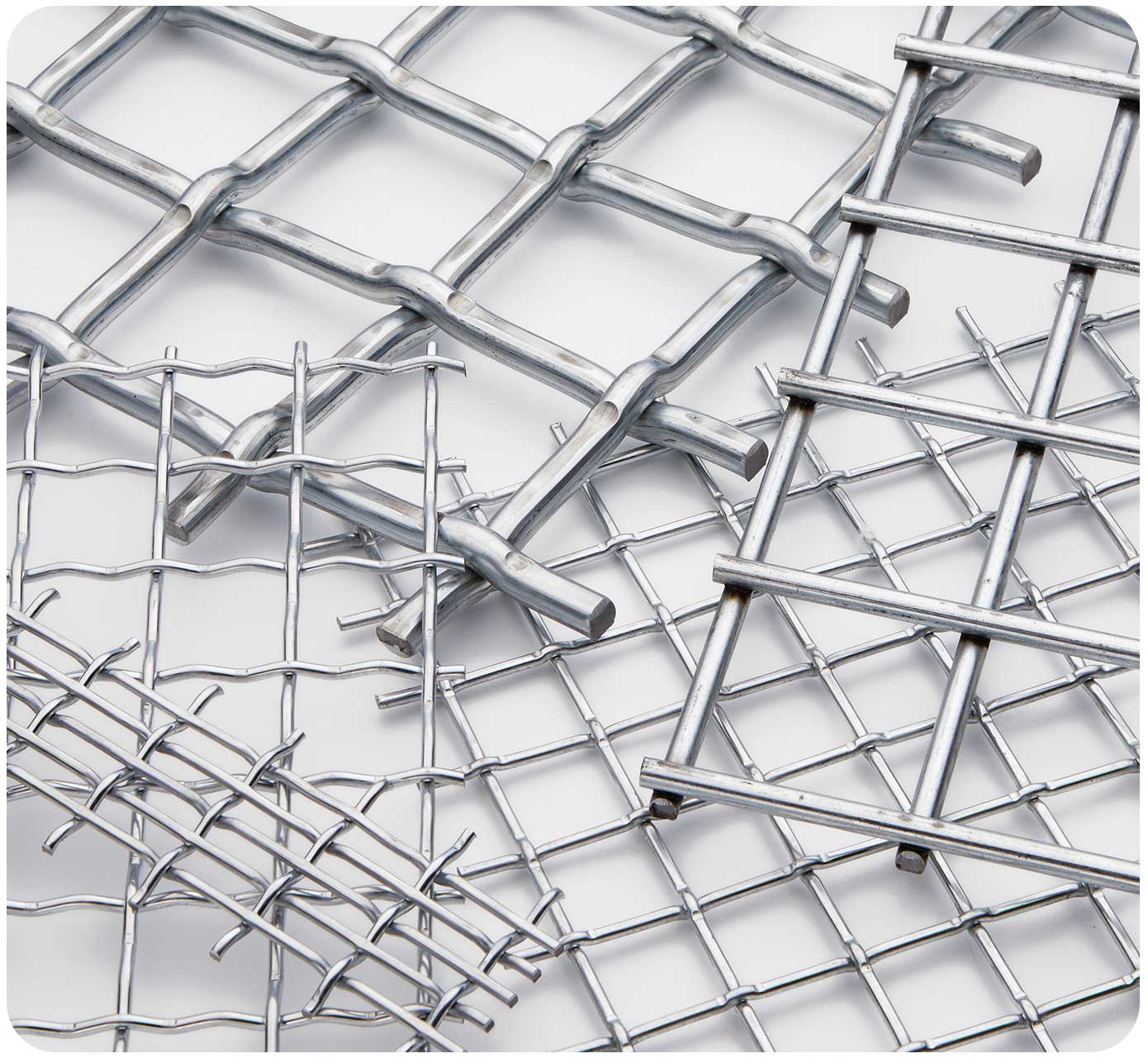
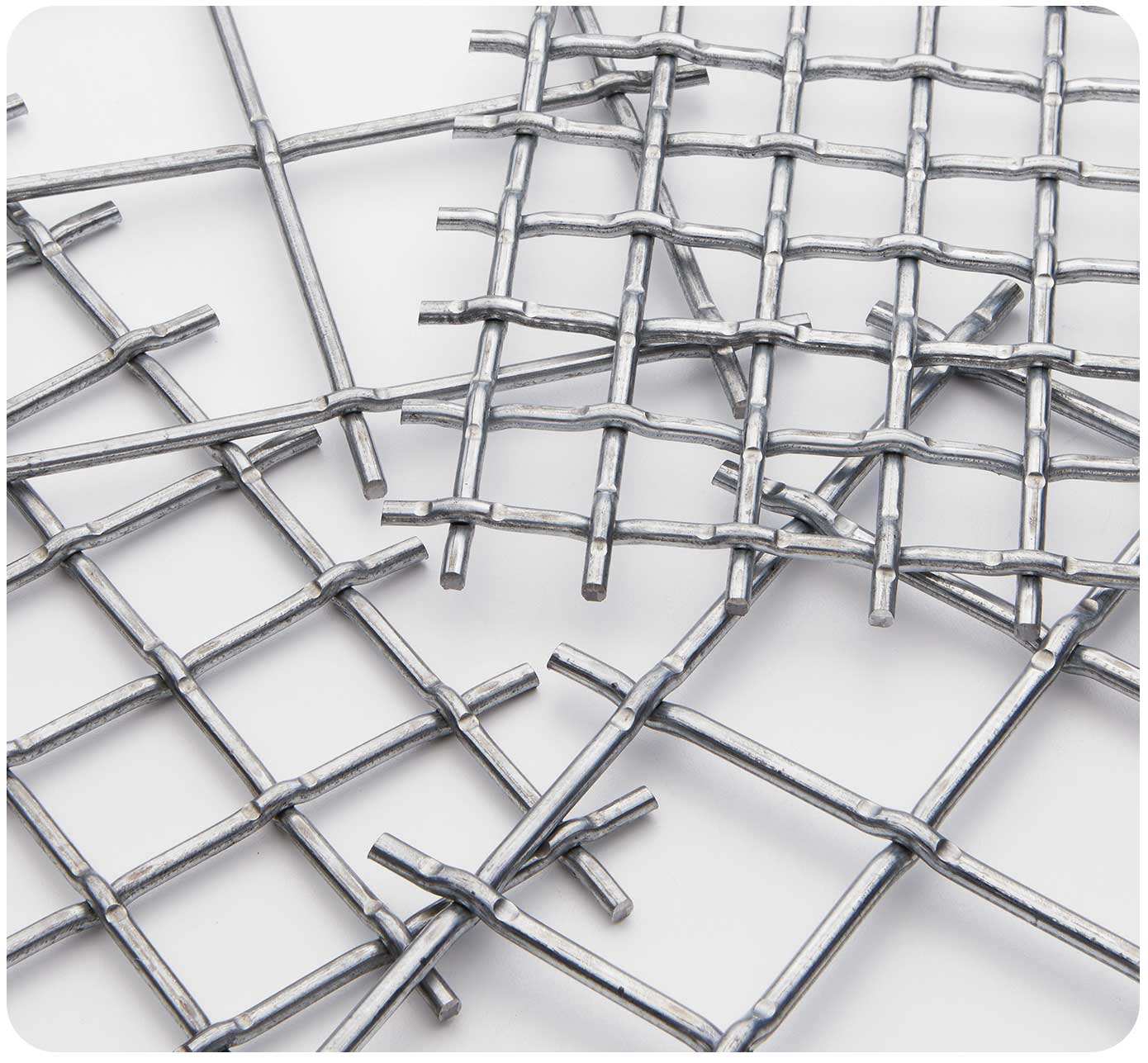
Plain SteelL-196 in Plain Steel
In the wire mesh industry, plain steel, also known as carbon steel, is a widely used metal available in both woven and welded wire mesh forms. It primarily consists of iron (Fe) with a small amount of carbon (C) and other trace elements, making it a cost-effective and versatile option.
Plain steel wire mesh is manufactured from a wide range of wire diameters directly cold drawn from hot rolled rod. Known for its strength, durability, and magnetic properties, the material represents very good value. Plain steel is widely used in applications where its weld-ability and economy make it a popular option. Its appearance can range from black to gunmetal to silver but is susceptible to rusting when exposed to wet or moist conditions. Plain steel wire mesh is often finished with a secondary coating such as plating, powder coating or hot dipped galvanized to beautify and/or protect it from further corrosion.
Plain steel can be further categorized into two groups known as low carbon steel and high carbon steel depending on the percentage of carbon content. The amount of carbon content affects strength and hardness characteristics in the wire.
While cost and overall workability make plain steel wire mesh a popular choice, corrosion resistance is lacking. Rust will occur rapidly in the presence of moist and salty conditions. Plating or Powder coating are both options to finish this base material for interior applications. For a woven wire mesh specification used in an exterior application, a powder coated plain steel wire mesh will rust at the wire mesh intersections. Please consider a pre-galvanized or aluminum wire mesh as a suitable alternative when a powder coated finish is desired in an exterior application.
Banker Wire manufactures all of its products in a bare, mill finished condition. Our selected wire inventory comes from vendors that always meet Banker's high expectations for quality and consistency. Every production job records and uses raw materials that have been inspected and certified prior to manufacturing. Wire mill certificates of compliance are always available upon request free of charge.
Weathering SteelL-196 in Weathering Steel
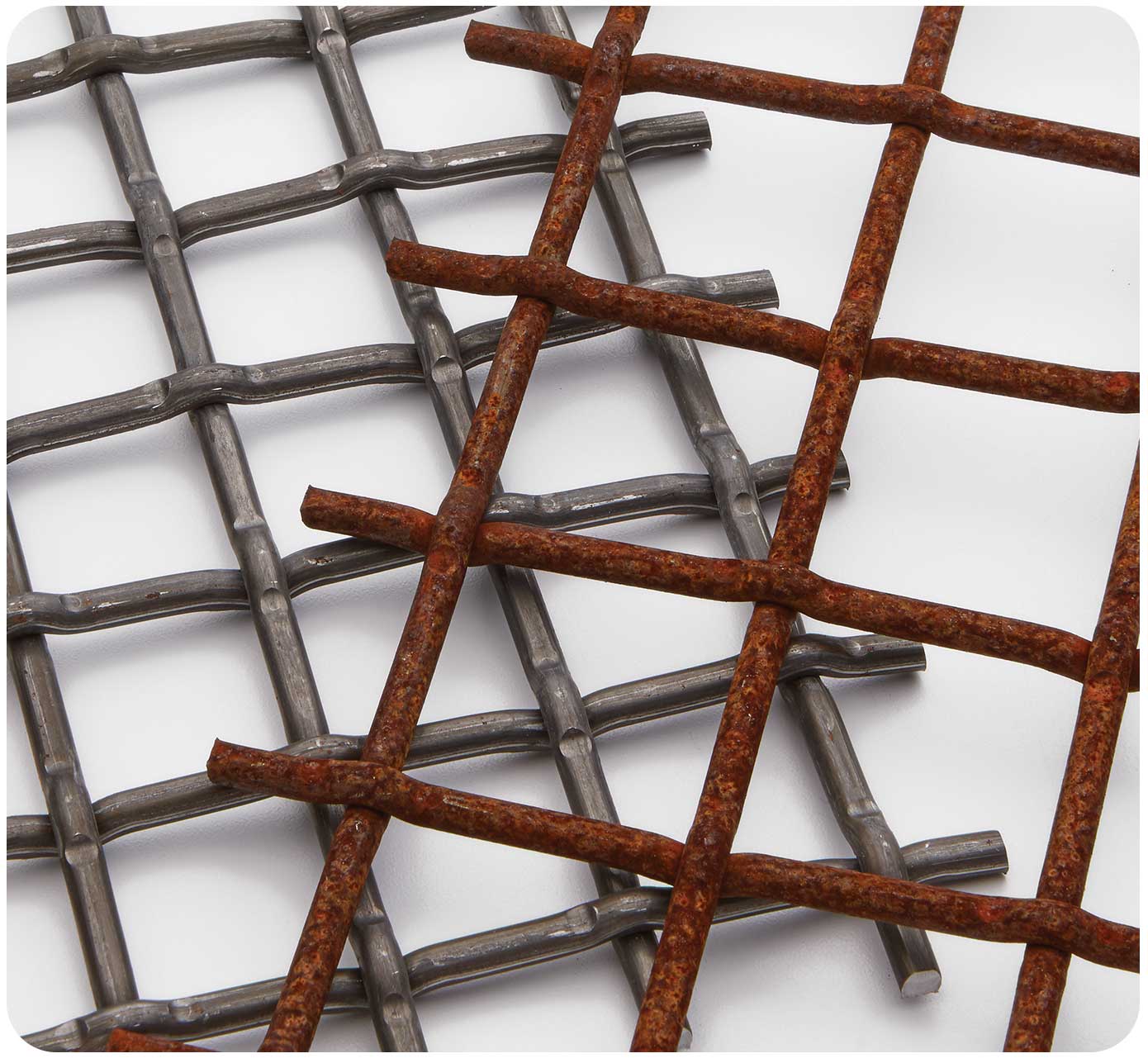
Compared to plain steel, weathering steel contains a mix of alloying elements that increases its resistance to atmospheric corrosion. Made popular to the industry by trade name Corten, it is meant to rust under the influence of weather. A242 weathering steel develops a patina that acts as a protective layer to prevent corrosion of the steel. Corrosion rates are significantly reduced up to 8 times better than plain steel, making this material suitable to be used in many exterior applications in its unpainted condition. If the surface is damage, weathering steel has self-healing characteristics by its ability to replace the patina naturally.
Weathering steel has an appearance much like plain steel prior to forming a protective patina. After exposure to the elements, the transformation will begin to take place over many shades or rust color. Trace amounts of oils and other lubricants during the wire mesh manufacturing process could remain on the surface impeding the rate of patina. Once removed either chemically or naturally, the development of the patina naturally begins to develop. During this time, surrounding areas of the installation (Like concrete) could be subject to staining. However, once fully developed the patina will be stable and will not rub off onto hands or other materials. If looking to use raw material for interior applications, the patina can be chemically accelerated and sealed once the desired color is achieved.
Banker Wire manufactures all of its products in a bare, mill finished condition. Our selected wire inventory comes from vendors that always meet Banker's high expectations for quality and consistency. Every production job records and uses raw materials that have been inspected and certified prior to manufacturing. Wire mill certificates of compliance are always available upon request free of charge.
Pre-GalvanizedL-196 in Pre-Galvanized
Banker Wire offers wire mesh in two types of Pre-Galvanized wire; “Regular coating” and trademarked “Galfan”. The term pre-galvanized means that the wire already has the zinc coating applied to it prior to the manufacture of wire mesh. This is different than “Galv-after” where the galvanizing is done after manufacturing in a tank of molten zinc. Also known as “Hot Dip” galvanizing, the entire finished product emerges from the molten tank fully coated with a layer of zinc.
Regular coating “Pre-Galv” wire is carbon steel which has been coated with a very thin layer of Zinc during the wire drawing process. Pre-galv wire is only slightly more expensive than plain steel wire, but offers improved corrosion resistance. Pre-galv wire is a great base material if considering a wire mesh with a powder coated finish in an exterior application.
For exterior powder coated wire mesh applications, pre-galv wire should be specified so that there is a layer of zinc protecting the bare steel under the wire intersections. The powder coating process does not fully cover this area of the wire mesh, which is why the pre-galv wire is recommended.
Banker Wire manufactures all of its products in a bare, mill finished condition. Our selected wire inventory comes from vendors that always meet Banker's high expectations for quality and consistency. Every production job records and uses raw materials that have been inspected and certified prior to manufacturing. Wire mill certificates of compliance are always available upon request free of charge.
Galfan®L-196 in Galfan®
Galfan is a carbon steel wire with a coating that is 95% zinc and 5% aluminum. The thicker zinc coating makes this wire more corrosion resistant than “Regular Coating” pre-galv wire. The coating is allowed to be much heavier because of the added aluminum in the mixture. The aluminum allows the wire’s ductility to remain high which prevents the coating from cracking off during wire mesh manufacturing.
Galfan has a similar coating thickness to that of “Hot Dip” galvanizing therefore, the performance in an exterior environment would technically be comparable. Galfan does have the ability to “Self Heal” small scrapes and blemishes. The coating however, can only protect the steel if there is zinc present. If the Galfan coating is compromised due to further fabrication and processing of the wire mesh, then you could expect rust at those areas. If there is additional heavy fabrication to be done to the wire mesh, consider hot dipping the entire fabricated assembly afterwards instead.
Banker Wire manufactures all of its products in a bare, mill finished condition. Our selected wire inventory comes from vendors that always meet Banker's high expectations for quality and consistency. Every production job records and uses raw materials that have been inspected and certified prior to manufacturing. Wire mill certificates of compliance are always available upon request free of charge.
BrassL-196 in Brass
Brass is an alloy that is made up of copper combined with zinc. Various brass alloys exist when the proportions of copper and zinc are changed. Anti-sparking characteristic makes this wire mesh raw material a good choice in and around sensitive combustible areas. Brass has a bright gold like appearance and is relatively resistant to tarnishing but will slowly turn to a greenish and brown color over time.
When Banker Wire weaves a wire mesh out of brass wire, the brass wire starts out “Bright” but is considered “Bare”. This means that the brass wire will almost immediately be susceptible to color changes due to tarnishing. Banker Wire cannot guarantee the color consistency by the time it arrives to its final installation point. A chemical or physical removal of the tarnish will be required prior to a clear coat application if the desired final “Bright” finish is to be maintained. Banker Wire highly recomends wearing gloves when handling copper wire mesh to avoid making fingerprints.
Banker Wire manufactures all of its products in a bare, mill finished condition. Our selected wire inventory comes from vendors that always meet Banker's high expectations for quality and consistency. Every production job records and uses raw materials that have been inspected and certified prior to manufacturing. Wire mill certificates of compliance are always available upon request free of charge.
BronzeL-196 in Bronze
Bronze is a metal alloy containing a blend primarily of Copper with Tin as an additive. Bronze wire has good formability characteristics, corrosion resistance and high strength. The unmistakable bright caramel color will darken naturally over time or it can be chemically darkened by a metal finisher to speed up the process.
Bronze wire is drawn bright and exhibits a caramel like color. Bronze has a subtle contrast woven together with Stainless Steel. Considered a "Living Finish", the natural color change does occur quickly and depending on the environmental conditions, the end color will vary. In general, under exterior conditions in the presence of salt, moisture, and sunlight, Bronze will transition from bright to shades brown patina. Because of the enormous range of Bronze’s natural colors experienced through weathering, there are a number of coatings or chemicals that can be used to either speed up or slow down the process. Finishing bronze to the desired color is an art and should be done through consulting an experienced metal finisher.
Banker Wire manufactures all of its products in a bare, mill finished condition. Our selected wire inventory comes from vendors that always meet Banker's high expectations for quality and consistency. Every production job records and uses raw materials that have been inspected and certified prior to manufacturing. Wire mill certificates of compliance are always available upon request free of charge.
CopperL-196 in Copper
Copper wire has excellent electrical and thermal conductivity. Copper has high corrosion resistance in the marine environment making this alloy a good choice for salt and briny conditions. Copper is also resistant to marine life such as snails and mussels and has antibacterial properties.
When Banker Wire weaves a wire mesh out of copper wire, the copper starts out “Bright” but is considered “Bare”. This means that the copper wire will almost immediately be susceptible to color changes due to tarnishing. Banker Wire cannot guarantee the color consistency by the time it arrives to its final installation point. A chemical or physical removal of the tarnish will be required prior to a clear coat application if the desired final “Bright” finish is to be maintained. Banker Wire highly recomends wearing gloves when handling copper wire mesh to avoid making fingerprints.
Banker Wire manufactures all of its products in a bare, mill finished condition. Our selected wire inventory comes from vendors that always meet Banker's high expectations for quality and consistency. Every production job records and uses raw materials that have been inspected and certified prior to manufacturing. Wire mill certificates of compliance are always available upon request free of charge.
AluminumL-196 in Aluminum
At only 1/3 the weight of steel, aluminum has very adaptable qualities as a woven wire product. Aluminum wire mesh is highly resistant to atmospheric corrosion, reasonably priced, and it has a variety of surface treatment options that make it a good candidate for many applications. Aluminum is an excellent option for wire mesh when weight and corrosion resistance are primary concerns.
Aluminum has a relatively low modulus of elasticity. Compared to steel wire mesh, aluminum wire mesh will suffer a higher degree of deformation at equal loads. Therefore, the physical characteristics of a mesh spacing and diameter combination in aluminum will not be comparable to that of the same in steel. To maintain the required rigidity for a particular application, it is advisable to increase wire diameter somewhat.
Banker Wire manufactures all of its products in a bare, mill finished condition. Our selected wire inventory comes from vendors that always meet Banker's high expectations for quality and consistency. Every production job records and uses raw materials that have been inspected and certified prior to manufacturing. Wire mill certificates of compliance are always available upon request free of charge.
Stainless Steel (A)/Brass (B)L-196 in Stainless Steel (A)/Brass (B)
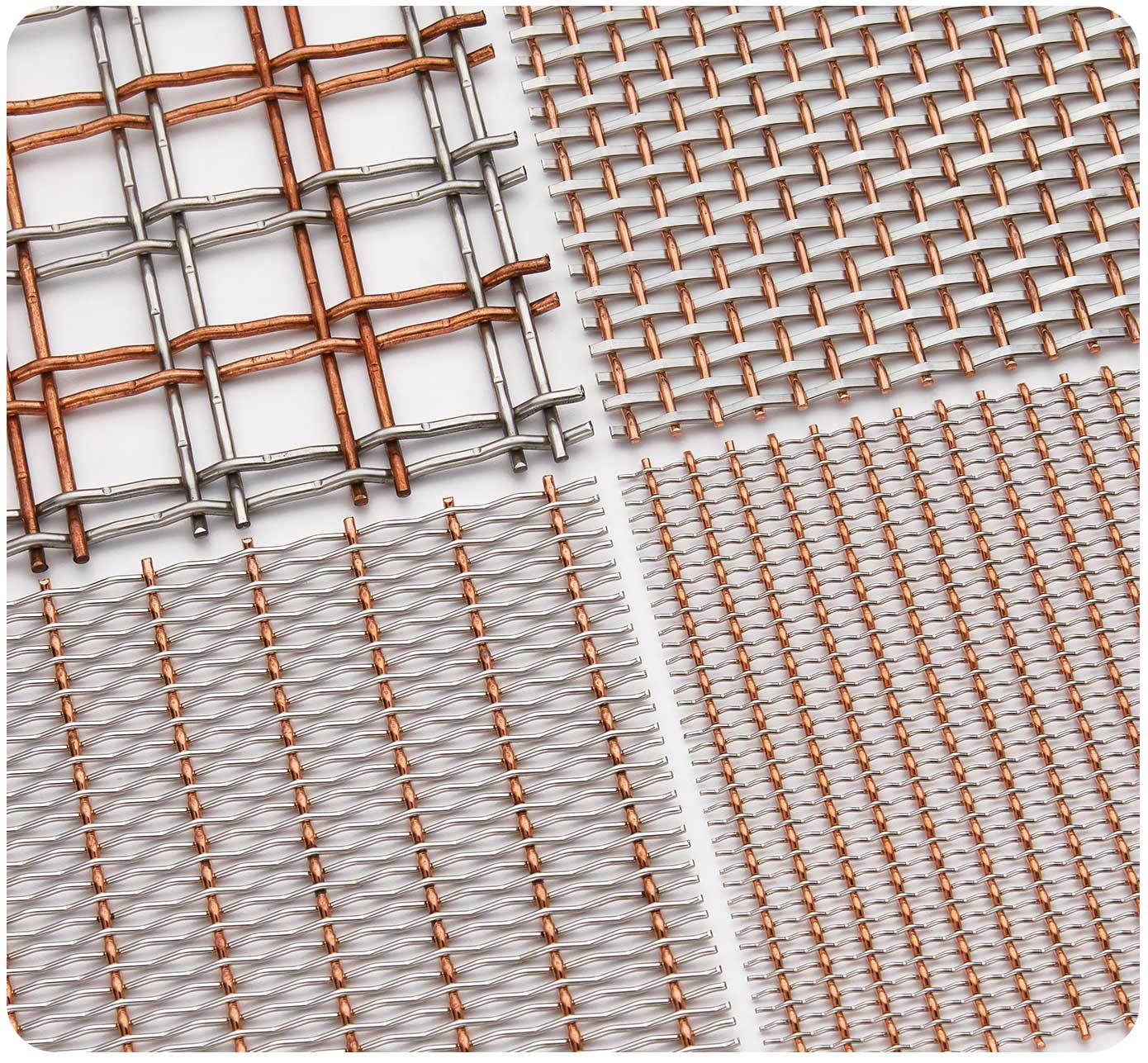
Combining stainless steel with brass wire within a sheet of woven wire mesh creates a striking blend of color that will change as the viewer changes their viewing angle. The contrast of silver and gold tones together can make a subtle statement to any interior space.
Brass wire is drawn bright and exhibits a gold like color. Brass has a subtle contrast woven together with Stainless Steel. The brass wire will tarnish over time as it is considered a "Living Finish". Care when handling the wire mesh when it is in the bare condition must be taken to avoid hand prints that will be difficult to remove. A lacquer topcoat should be considered as a way to preserve the bright finish.
Banker Wire manufactures all of its products in a bare, mill finished condition. Our selected wire inventory comes from vendors that always meet Banker's high expectations for quality and consistency. Every production job records and uses raw materials that have been inspected and certified prior to manufacturing. Wire mill certificates of compliance are always available upon request free of charge.
Stainless Steel (A)/Bronze (B)L-196 in Stainless Steel (A)/Bronze (B)
Combining stainless steel with bronze wire within a sheet of woven wire mesh creates a striking blend of color that will change as the viewer changes their viewing angle. The contrast of silver and carmel tones together can make a subtle statement to any interior space.
Bronze wire is drawn bright and exhibits a caramel like color. Bronze has a subtle contrast woven together with Stainless Steel. The bronze wire will tarnish over time as it is considered a "Living Finish". Care when handling the wire mesh when it is in the bare condition must be taken to avoid hand prints that will be difficult to remove. A lacquer topcoat should be considered as a way to preserve the bright finish.
Banker Wire manufactures all of its products in a bare, mill finished condition. Our selected wire inventory comes from vendors that always meet Banker's high expectations for quality and consistency. Every production job records and uses raw materials that have been inspected and certified prior to manufacturing. Wire mill certificates of compliance are always available upon request free of charge.
Stainless Steel (A)/Copper (B)L-196 in Stainless Steel (A)/Copper (B)
Combining stainless steel with copper wire within a sheet of woven wire mesh creates a striking blend of color that will change as the viewer changes their viewing angle. The contrast of silver and red tones together can make a bold statement to any interior space.
Copper wire is drawn bright and exhibits a pink or red color. Copper has a bold contrast woven together with Stainless Steel. The copper wire will tarnish over time as it is considered a "Living Finish". Care when handling the wire mesh when it is in the bare condition must be taken to avoid hand prints that will be difficult to remove. A lacquer topcoat should be considered as a way to preserve the bright finish.
Banker Wire manufactures all of its products in a bare, mill finished condition. Our selected wire inventory comes from vendors that always meet Banker's high expectations for quality and consistency. Every production job records and uses raw materials that have been inspected and certified prior to manufacturing. Wire mill certificates of compliance are always available upon request free of charge.
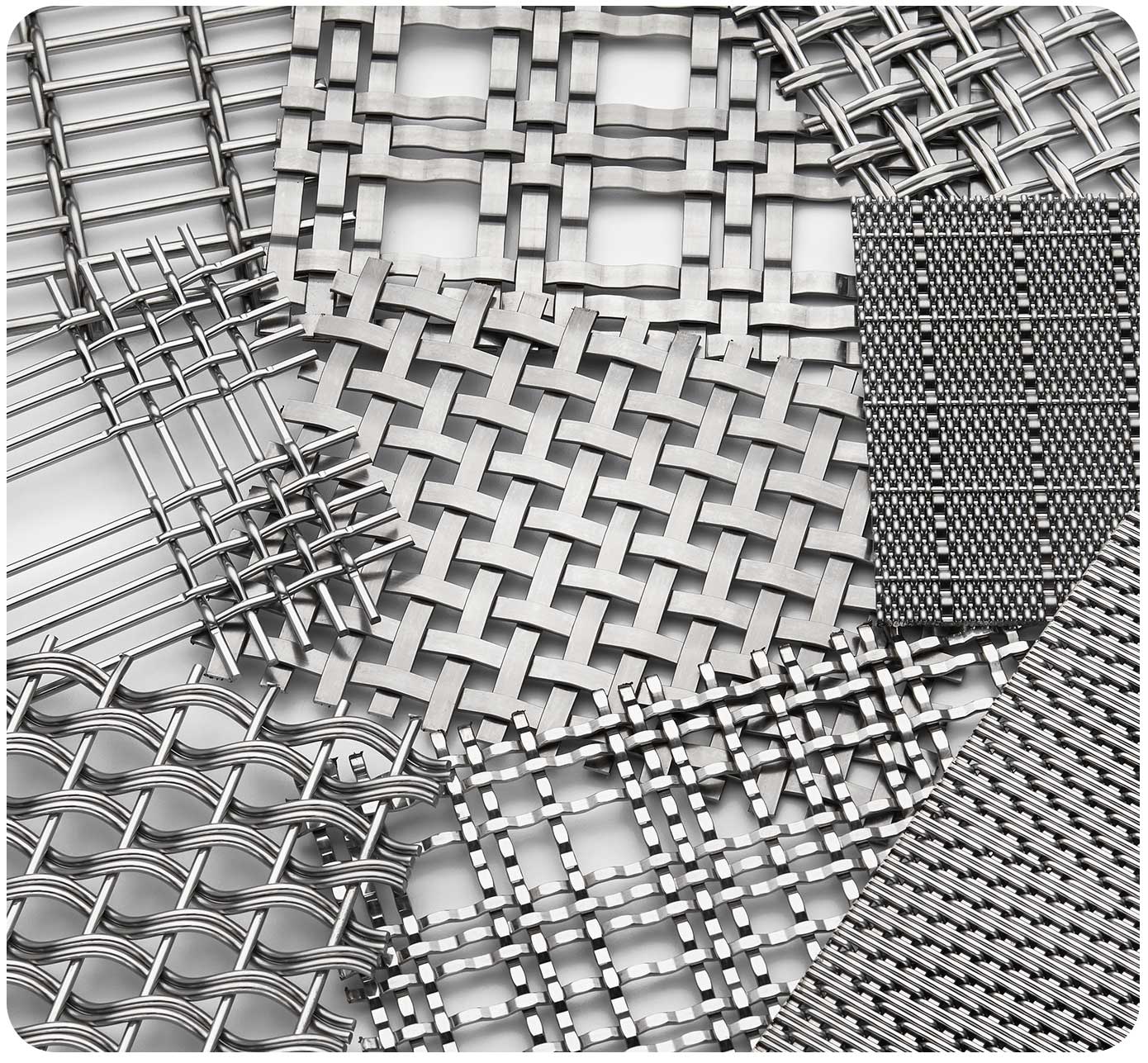
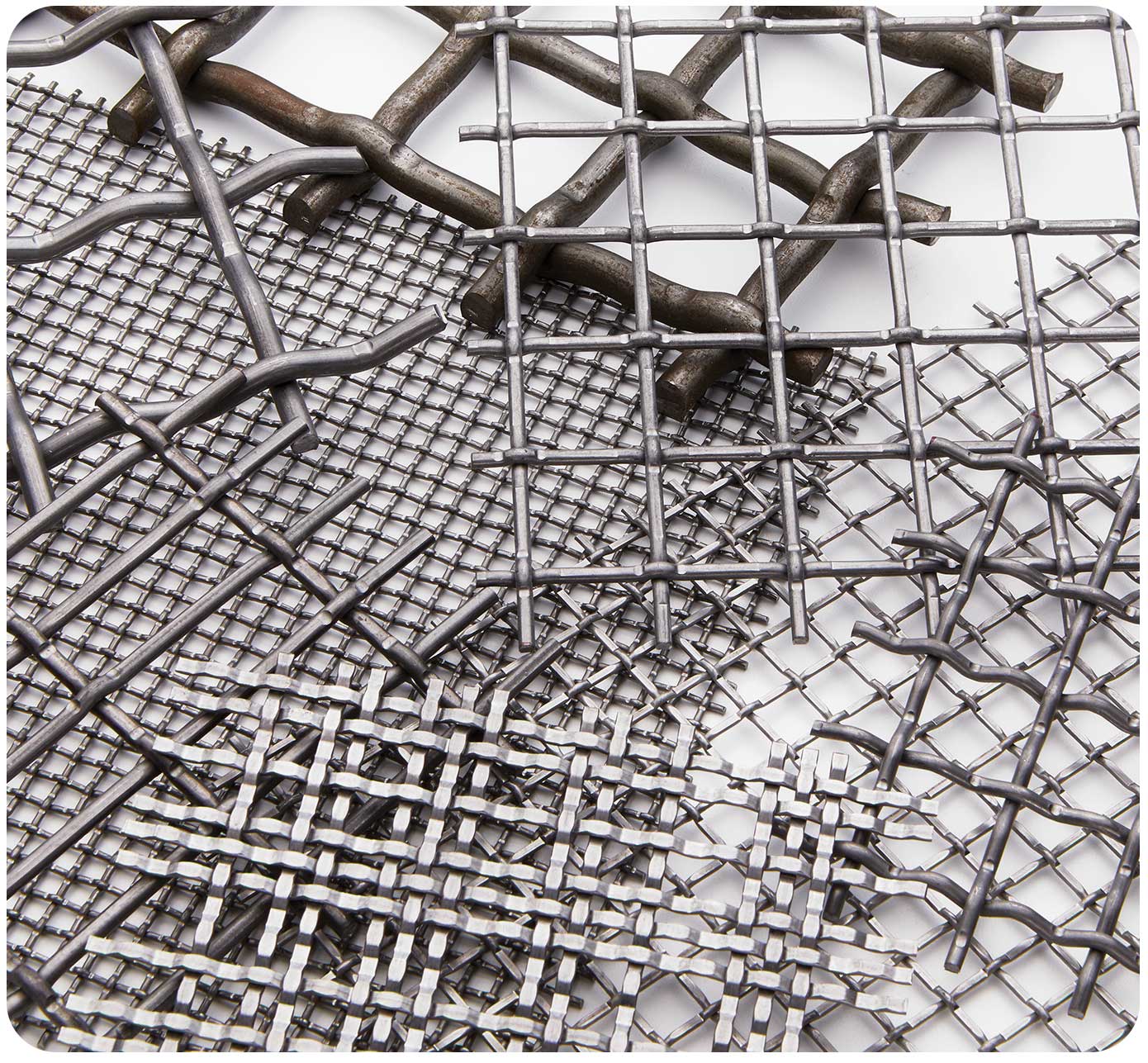
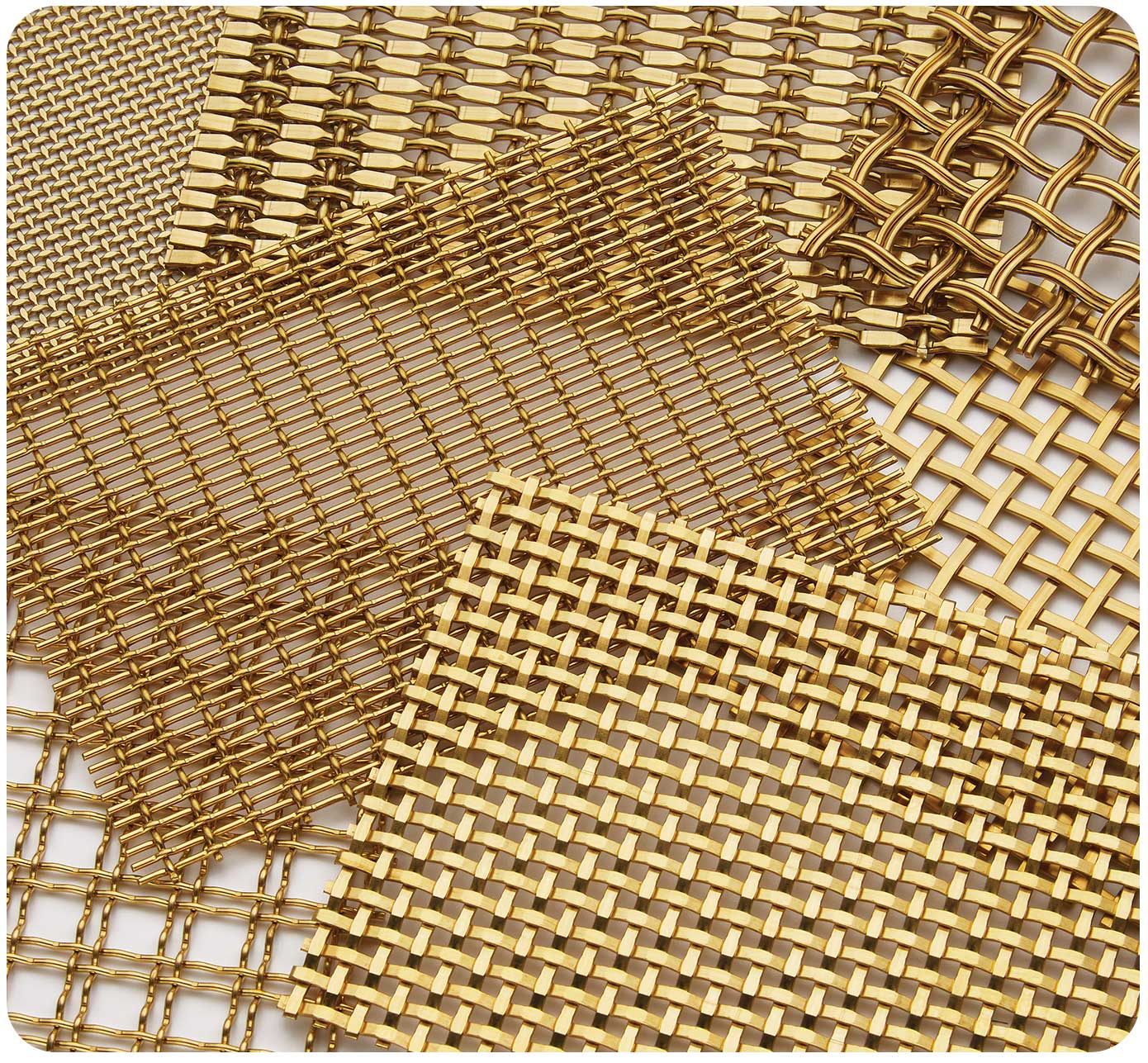
 Copper, Brass and Bronze are “Living Finishes”. The finish will oxidize in the presence of air, moisture, and even by natural oils from the skin. Introducing a clear topcoat like lacquer will create a barrier and prevent the material from tarnishing. If left bare, the color will continue to change at a rate and intensity unique to that of its surroundings and amount of handling. Learn more.
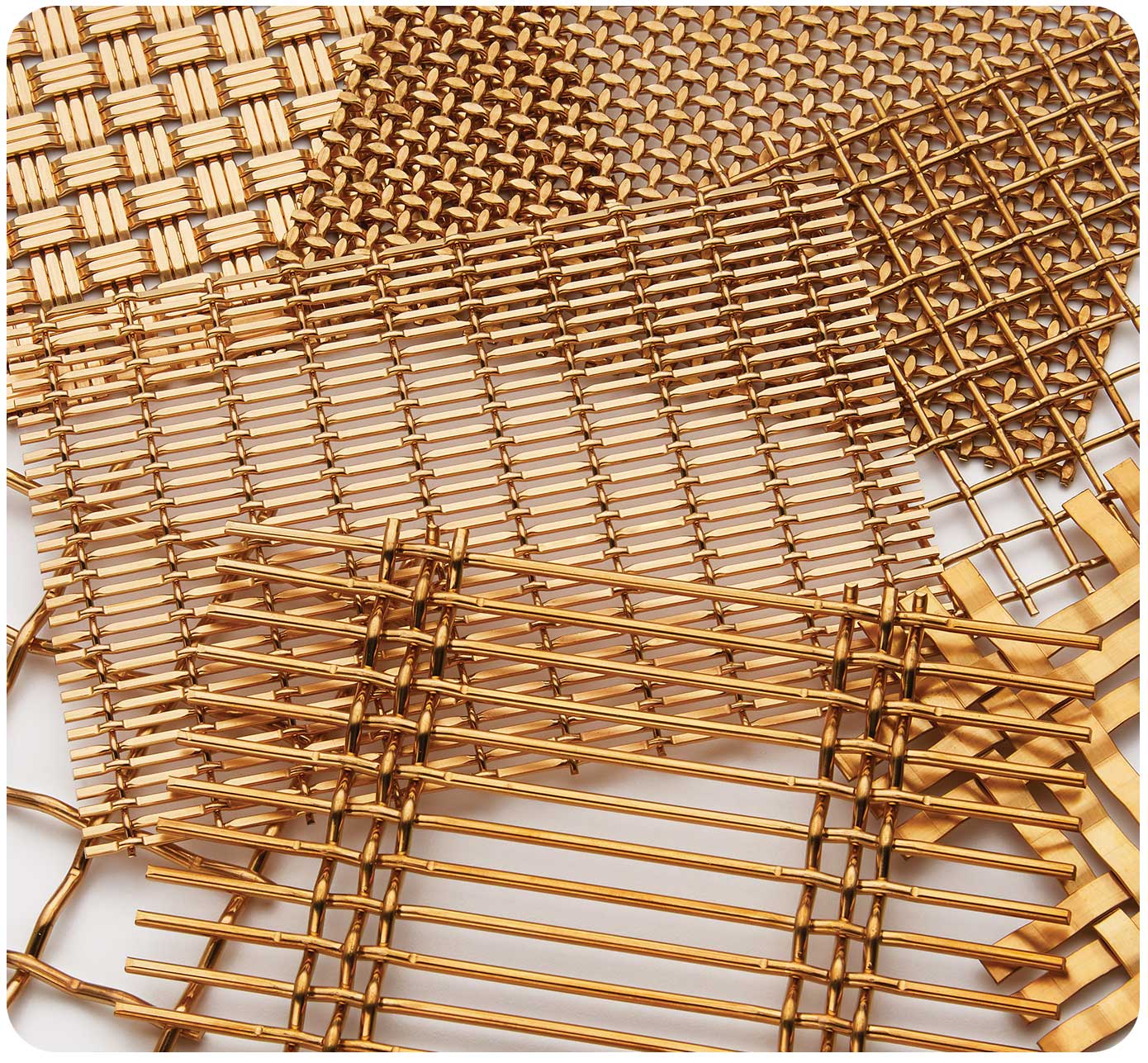
Copper, Brass and Bronze are “Living Finishes”. The finish will oxidize in the presence of air, moisture, and even by natural oils from the skin. Introducing a clear topcoat like lacquer will create a barrier and prevent the material from tarnishing. If left bare, the color will continue to change at a rate and intensity unique to that of its surroundings and amount of handling. Learn more.
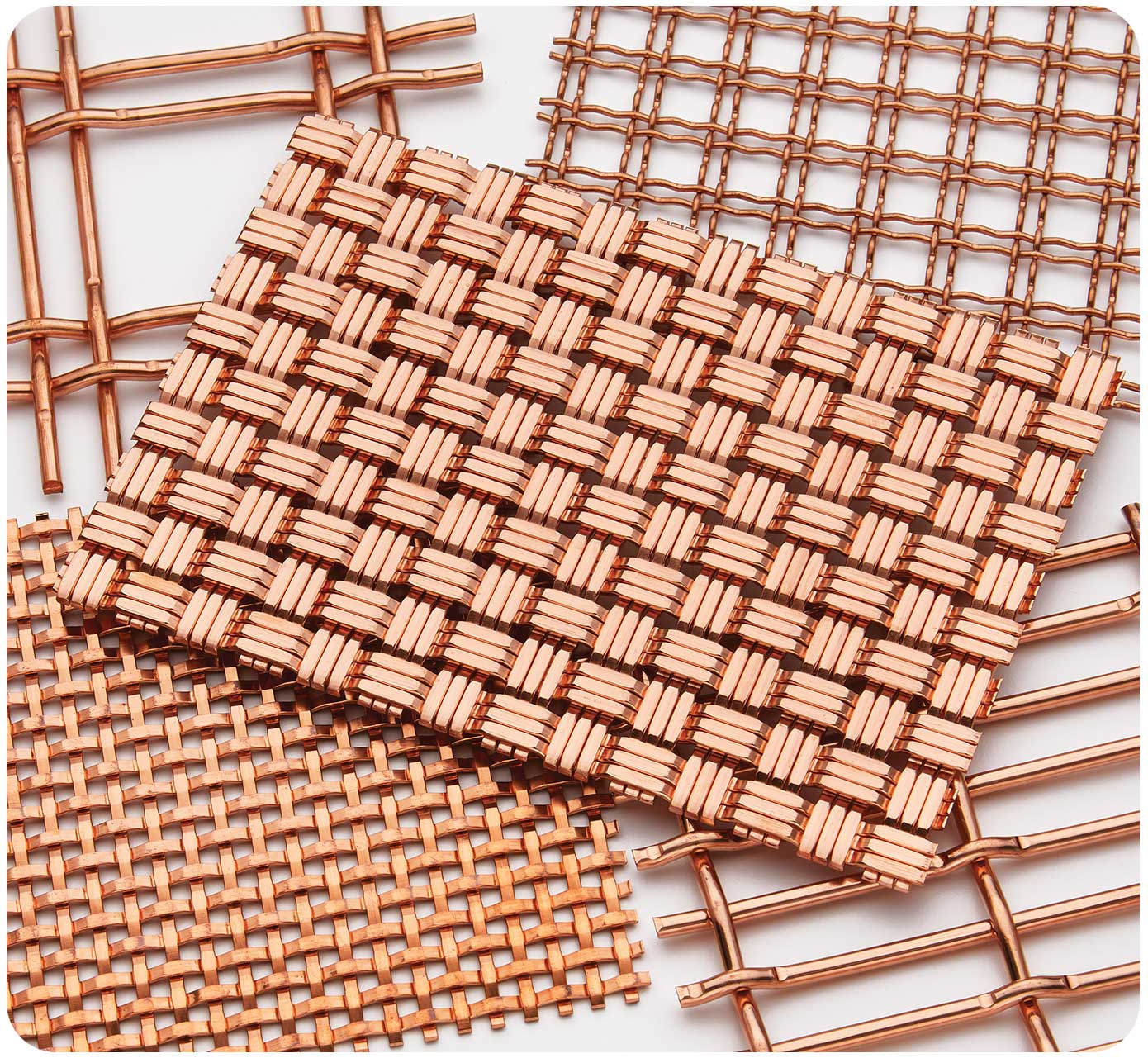
Copper, Brass and Bronze are “Living Finishes”. The finish will oxidize in the presence of air, moisture, and even by natural oils from the skin. Introducing a clear topcoat like lacquer will create a barrier and prevent the material from tarnishing. If left bare, the color will continue to change at a rate and intensity unique to that of its surroundings and amount of handling. Learn more.
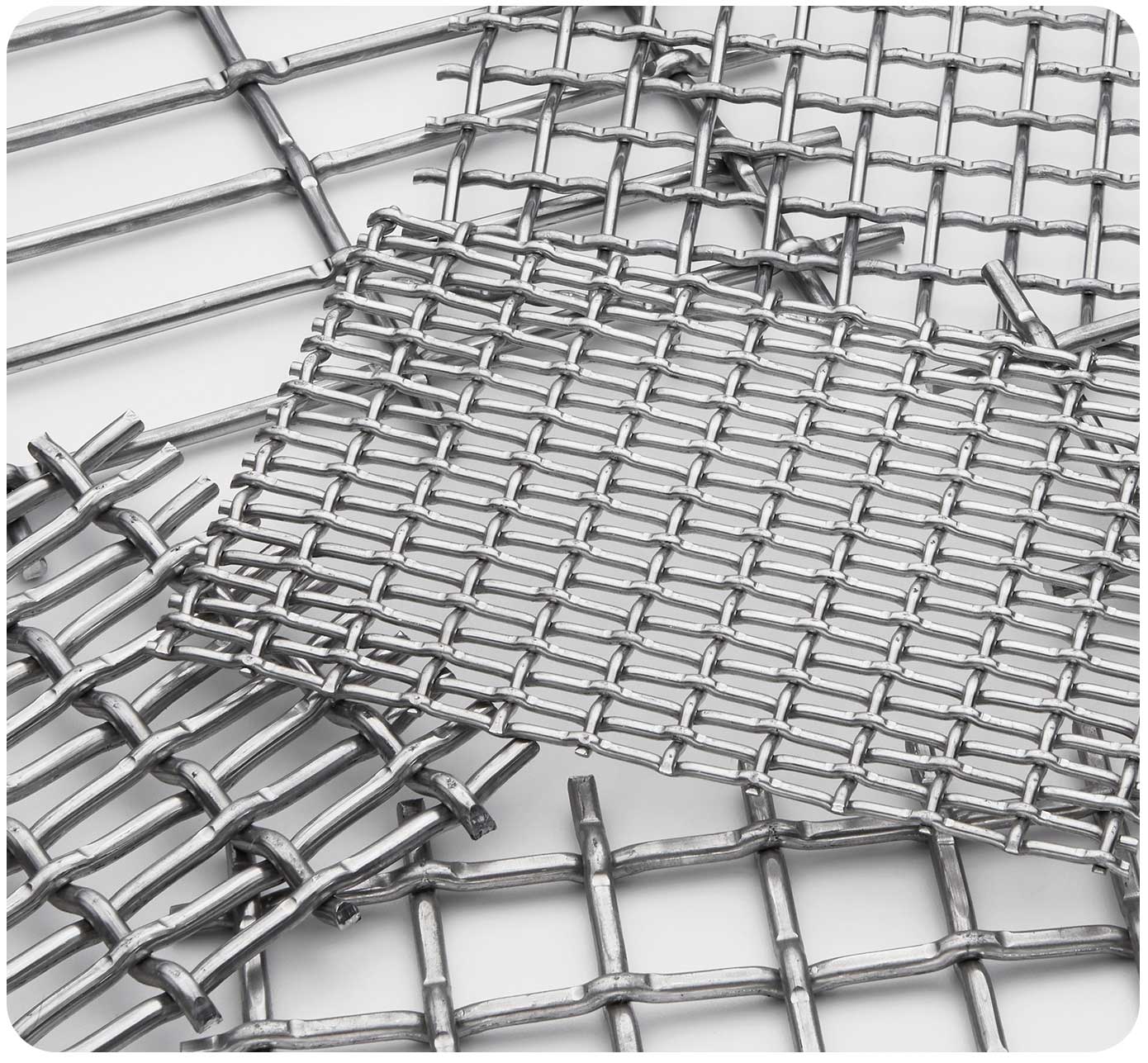
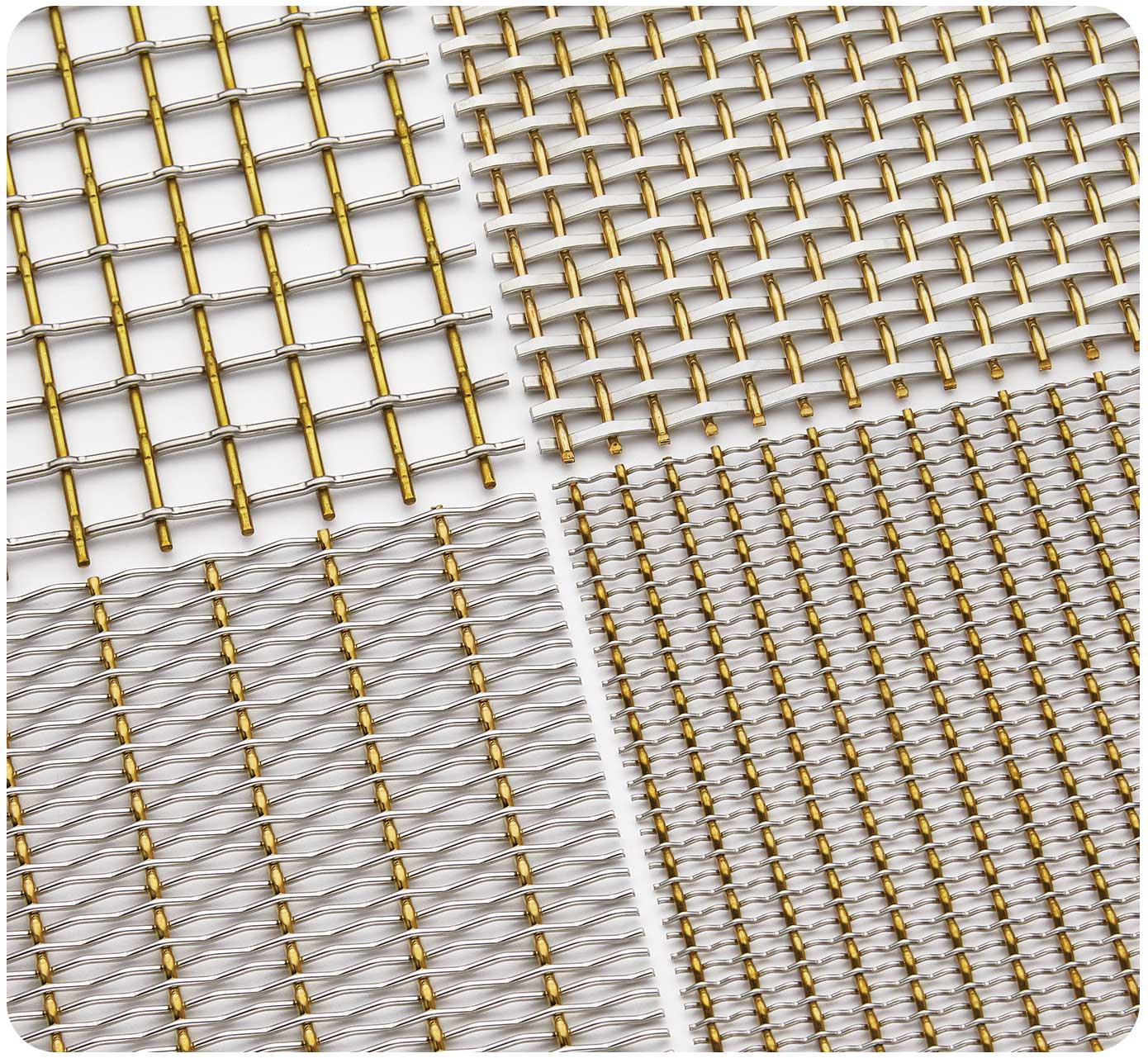
Copper, Brass and Bronze are “Living Finishes”. The finish will oxidize in the presence of air, moisture, and even by natural oils from the skin. Introducing a clear topcoat like lacquer will create a barrier and prevent the material from tarnishing. If left bare, the color will continue to change at a rate and intensity unique to that of its surroundings and amount of handling. Learn more.
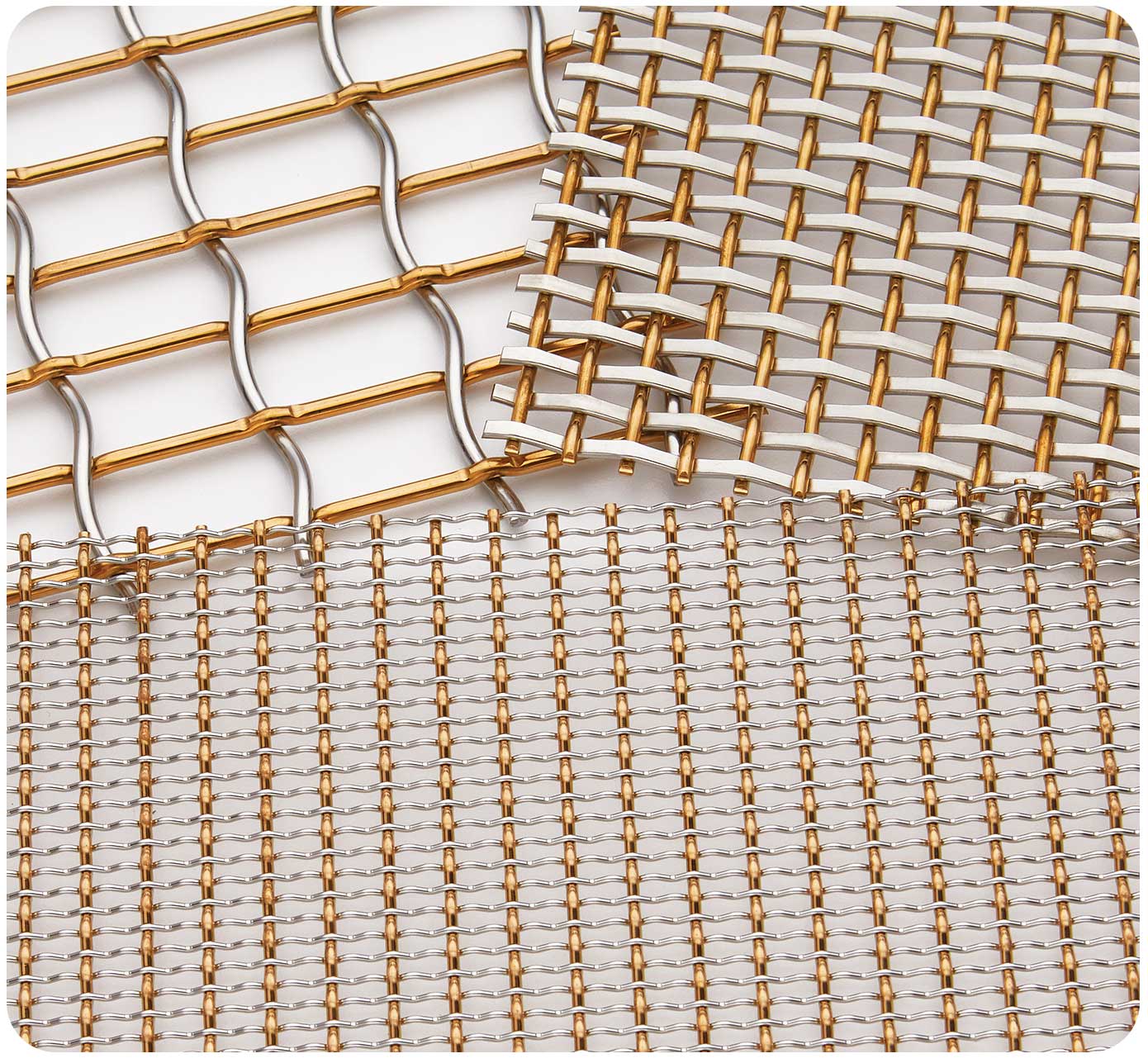
Copper, Brass and Bronze are “Living Finishes”. The finish will oxidize in the presence of air, moisture, and even by natural oils from the skin. Introducing a clear topcoat like lacquer will create a barrier and prevent the material from tarnishing. If left bare, the color will continue to change at a rate and intensity unique to that of its surroundings and amount of handling. Learn more.
Copper, Brass and Bronze are “Living Finishes”. The finish will oxidize in the presence of air, moisture, and even by natural oils from the skin. Introducing a clear topcoat like lacquer will create a barrier and prevent the material from tarnishing. If left bare, the color will continue to change at a rate and intensity unique to that of its surroundings and amount of handling. Learn more.
Secondary Finishes
Banker Wire has researched a number of secondary finish processes that work well with woven and welded wire meshes. Since different materials react to varying local environments, such as bare steel rusting in wet conditions, appropriate finishes for interior and exterior applications should be considered.
Many secondary finishes can be applied to help achieve the desired color, reflectivity, or corrosion resistance characteristics required.
Important Note Regarding Color
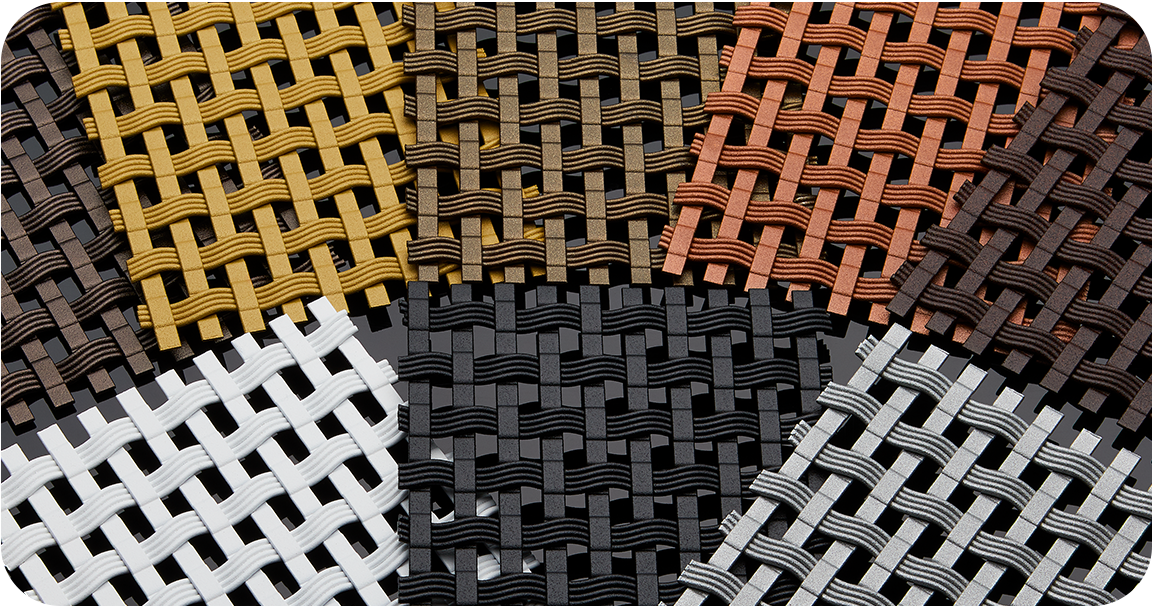
Please note that due to the limitations and relative inconsistencies of digital displays, the original and artificially colorized photography above is intended to only be a representation of the raw materials Banker Wire uses and is not a substitution for physical samples. Banker Wire manufactures all wire mesh in a bare mill finished condition. Please always confirm size, color, and finishes of wire mesh patterns with physical samples.
Powder Coating
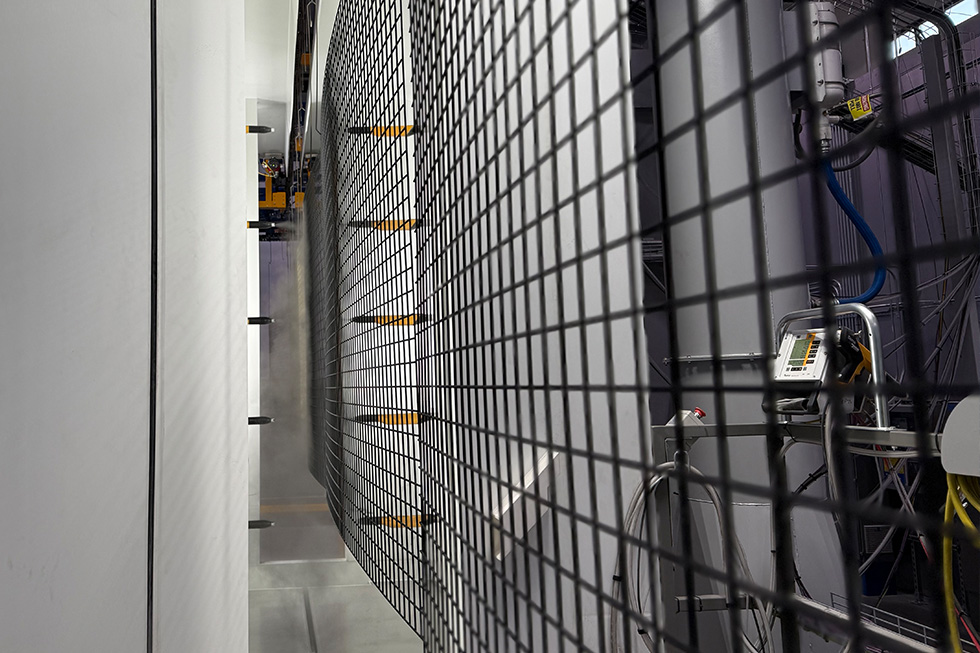
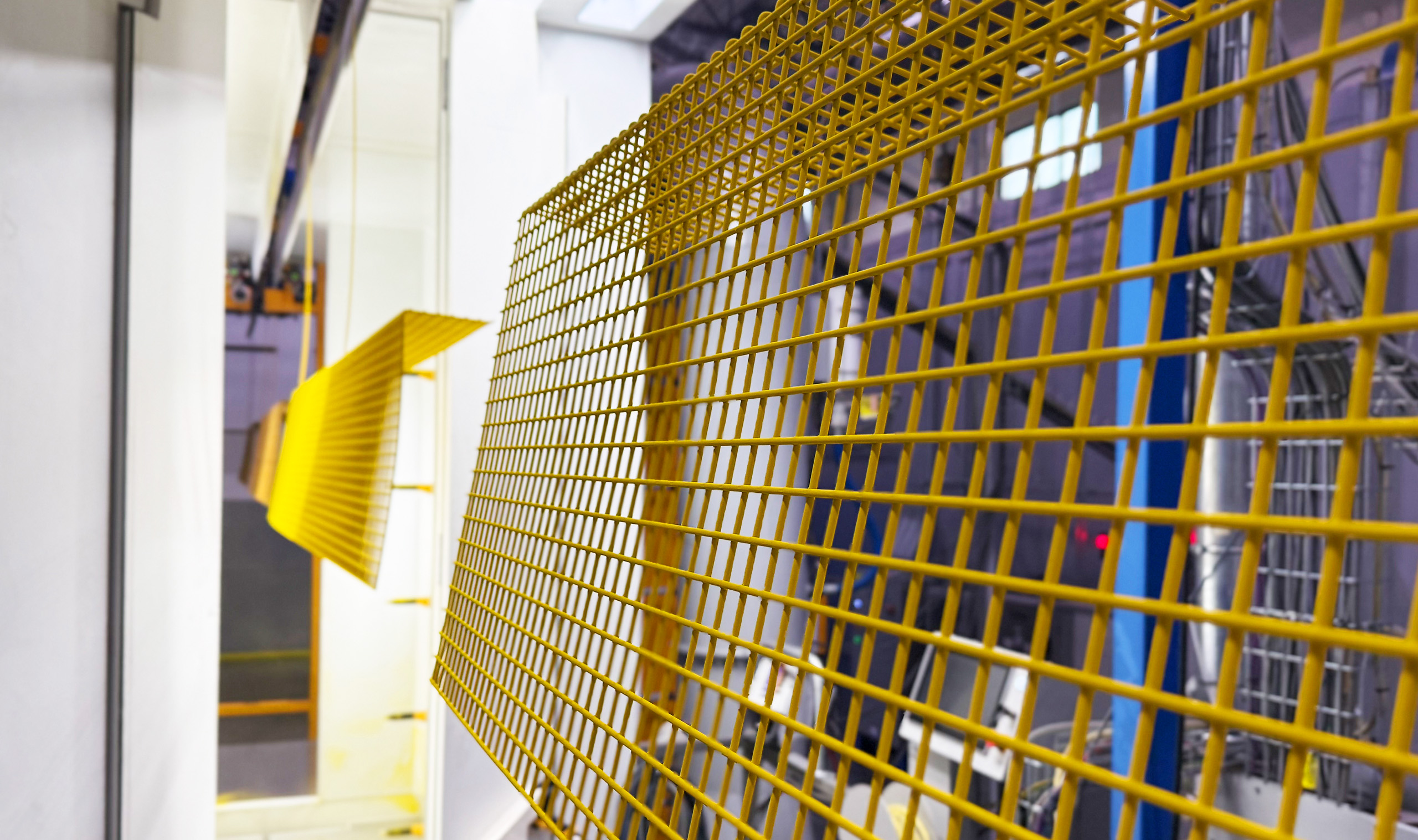
Powder coating is a cost effective way to add an unlimited range of colors to wire mesh. Powder coating uses an electrostatic charge to attract a finley ground powder evenly across all surfaces of the wire mesh. The electrostatic charge holds the pigmented powder until it passes through an oven where it cures and adheres permanently to the wire mesh. After curing, the wire mesh has a colorful and durable coating that adds to the desired aesthetic of the project.
Decorative Plating for L-196 wire mesh
Associated with Plain Steel Base


Decorative plating is an electrodeposition process where a thin layer of brass, nickel, chrome, or copper is deposited on the wire mesh surface in a tank-dipped procedure. A decorative antique plated finish can really bring out the texture of a woven wire mesh in ways that other coatings cannot. The thin layer of metal does not mask the detail of the wire mesh but rather highlights it. The antique plated finish process introduces a dark oxide layer over top of the bright plated alloy. Then, visual depth is removed by a human with an abrasive pad to get the desired effect on the high points of the wire mesh allowing the bright plated alloy to show through. A thin layer of lacquer is applied after plating to help preserve the finish from further tarnishing.
Maximum Dimensions: 42″x96″
Interior use only.
Special Considerations: The antique finishes undergo an abrasion process by hand to relieve the brighter alloy underneath the darker oxidized layer. The contrast between dark and bright alloy is unique to that of the various woven wire mesh patterns. The pictures above demonstrate how the different textures of the mesh patterns affect the same color finish. It should be noted that with any metal finish that is done by hand, a degree of variability will be inherent in the outcome. Samples of the finish will generally provide a good representation of color and detail however the brightness and darkness of the antique process may be different from job to job. This variability should be factored into the final design decision.
Decorative plating is an electrodeposition process where a thin layer of brass, nickel, chrome, or copper is deposited on the wire mesh surface in a tank-dipped procedure. A decorative antique plated finish can really bring out the texture of a woven wire mesh in ways that other coatings cannot. The thin layer of metal does not mask the detail of the wire mesh but rather highlights it. The antique plated finish process introduces a dark oxide layer over top of the bright plated alloy. Then, visual depth is removed by a human with an abrasive pad to get the desired effect on the high points of the wire mesh allowing the bright plated alloy to show through. A thin layer of lacquer is applied after plating to help preserve the finish from further tarnishing.
Designing with copper based alloys
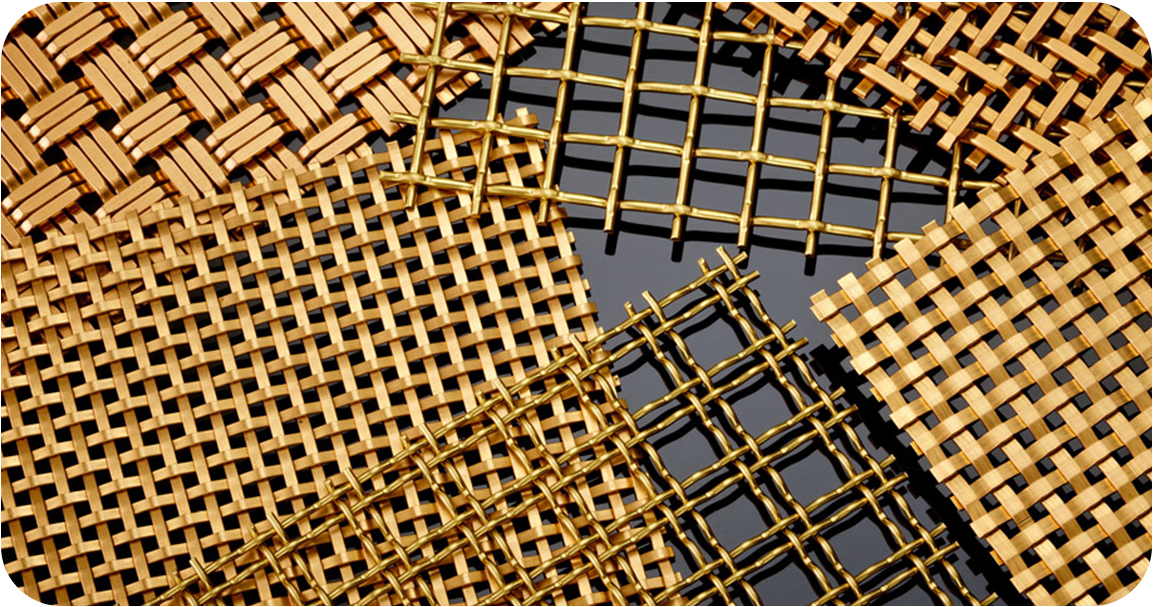
US10A
The US10A finish physically removes the tarnish from the top layer of the bronze, brass or copper and seals it with a clear lacquer topcoat (For interior applications).
US10B
The US10B finish darkens the bronze, brass or copper. Our standard offering targets visually enhancing the texture of the wire mesh pattern by darkening the wire and then physically relieving the highpoints.
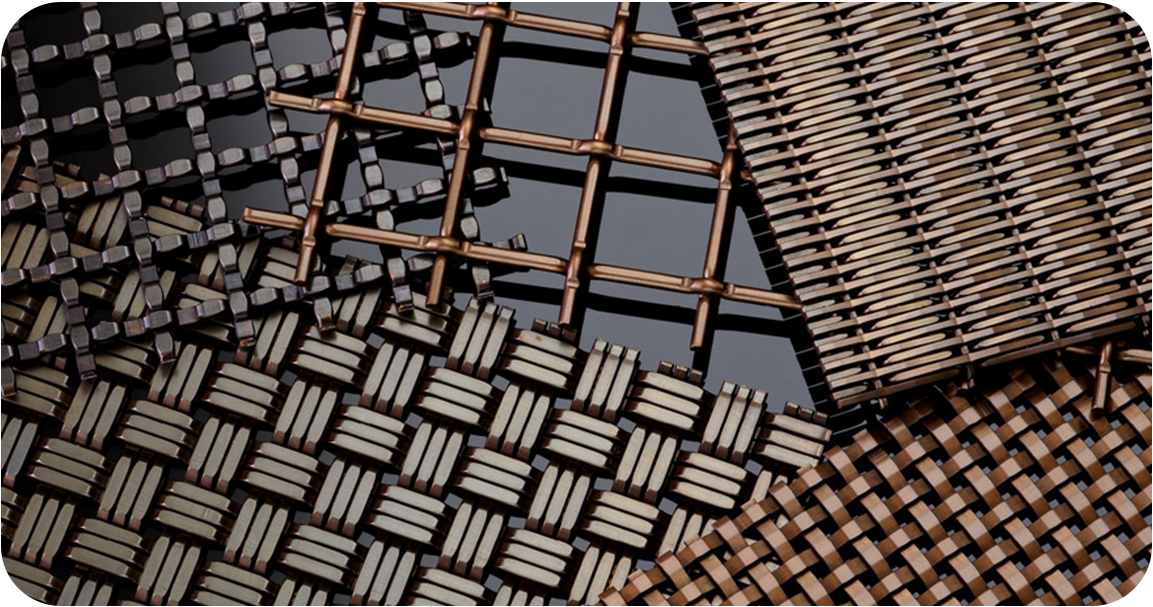
Special Considerations: US10A and US10B are not coatings. They are transformations of the existing base metal finish performed using a batch process. Deviations of color are inherent in these processes from job to job and no two metal finishers performing the same process are likely to arrive at the same color outcome. The time in solution, the base metal and the humidity in the area are just a few variables that prevent two separate outcomes to be the same. If consistency and a targeted color is what matters most to you, consider a powder coat that mimics the color instead like Prismatic Powders “Oil Rubbed Bronze”.